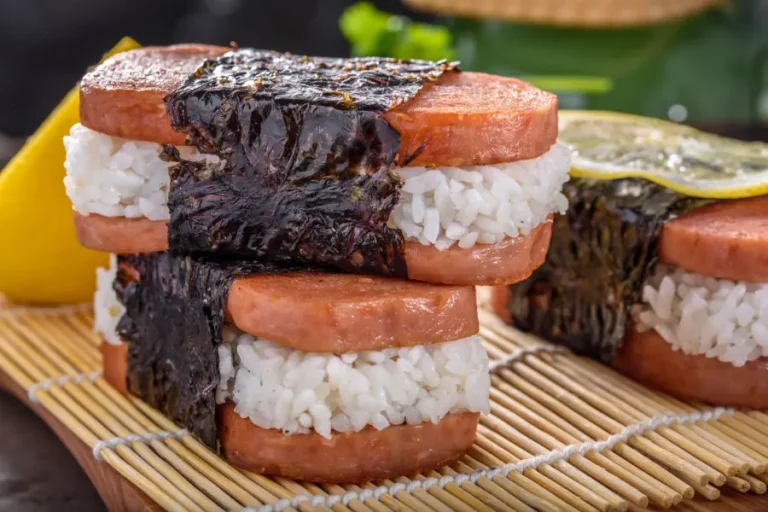

Korean BBQ Beef Rice Stack: A Tasty, Layered Meal
Korean BBQ beef rice stacks are a fun, flavorful way to enjoy bold Korean flavors in a neat, stacked presentation. This dish combines tender beef, sticky rice, and fresh veggies with a sweet and savory marinade. It’s perfect for a weeknight dinner or impressing guests. This blog post covers how to make it, tips for success, how to serve it, and storage advice. Let’s dive in!
How to Make Korean BBQ Beef Rice Stack
This recipe takes about 40 minutes and serves 4. It’s straightforward but needs a bit of prep for the marinade and layering.
- Gather Your Ingredients
- Beef: 1 lb thinly sliced ribeye or sirloin (ask your butcher to slice it thinly or freeze for 20 minutes to slice yourself).
- Marinade: ¼ cup soy sauce, 2 tbsp sesame oil, 2 tbsp brown sugar, 2 minced garlic cloves, 1 tbsp grated ginger, 1 tbsp rice vinegar, and 1 tsp sesame seeds.
- Rice: 2 cups cooked short-grain white rice (sushi or sticky rice works best).
- Vegetables: 1 cup shredded carrots, 1 cup sliced cucumber, 1 cup shredded lettuce, and ½ cup sliced green onions.
- Optional: Kimchi, gochujang (Korean red pepper paste), or extra sesame seeds for garnish.
- Marinate the Beef
In a bowl, mix soy sauce, sesame oil, brown sugar, garlic, ginger, rice vinegar, and sesame seeds. Add the thinly sliced beef, toss to coat, and let it marinate in the fridge for at least 20 minutes (or up to 2 hours for more flavor). - Cook the Rice
Cook 2 cups of short-grain rice according to package instructions. Once done, let it cool slightly but keep it warm for easier molding. Sticky rice holds the stack shape best. - Cook the Beef
Heat a large skillet or grill pan over medium-high heat. Add a drizzle of oil, then cook the marinated beef in batches for 2–3 minutes per side until browned and cooked through. Set aside on a plate. - Prepare the Vegetables
Wash and prep the veggies. Shred carrots and lettuce, thinly slice cucumbers, and chop green onions. Keep them separate for easy layering. If using kimchi, drain it slightly to avoid excess liquid. - Assemble the Stack
Use a round mold (like a small bowl or a 3-inch round cookie cutter) to build the stack. Place the mold on a plate, add a layer of rice (about ½ cup, pressed down gently), then a layer of shredded lettuce, followed by a layer of cooked beef. Top with shredded carrots, cucumbers, and a sprinkle of green onions. Gently lift the mold to reveal the stack. Repeat for each serving.
Tips and Tricks for a Great Rice Stack
These tips will help you create a flavorful, well-structured rice stack that looks as good as it tastes.
- Slice Beef Thinly
Thin beef slices cook quickly and are easier to eat in a stack. If you can’t get pre-sliced beef, place it in the freezer for 20 minutes to firm up, then use a sharp knife to slice thinly. - Make the Marinade Pop
For extra flavor, add a teaspoon of gochujang to the marinade for a spicy kick. Taste the marinade before adding the beef to ensure it’s balanced—not too sweet or salty. - Get the Rice Right
Use sticky or sushi rice to help the stack hold its shape. After cooking, fluff the rice with a fork and let it sit for 5 minutes to cool slightly. Lightly oil the mold to prevent sticking when you remove it. - Keep Veggies Crisp
Pat cucumbers and kimchi dry with a paper towel to avoid making the stack soggy. Prep veggies just before assembling to maintain their crunch and color. - Use a Mold for Clean Layers
A round mold ensures neat, even layers. If you don’t have one, use a small, straight-sided bowl or an empty, clean tuna can with both ends removed. Press each layer gently but firmly to keep the stack stable. - Add Variety
Swap in other veggies like sliced radishes, avocado, or pickled red onions for a twist. For a vegetarian version, use marinated tofu or mushrooms instead of beef.
How to Serve Korean BBQ Beef Rice Stack
Serving this dish is about making it both delicious and visually appealing for any occasion.
- For a Family Dinner
Serve each stack on a plate with a side of kimchi or a small cucumber salad. Drizzle with a bit of gochujang sauce (mix 1 tbsp gochujang with 1 tsp water and 1 tsp sesame oil) for extra flavor. Pair with iced green tea or a light soup. - For a Party
Make mini stacks using a smaller mold (like a 2-inch cookie cutter) for bite-sized portions. Arrange on a platter with toothpicks for easy grabbing. Offer small bowls of extra marinade or gochujang sauce for dipping. - For a Quick Lunch
Pack a single stack in a lunch container with a tight lid. Keep the veggies separate until ready to eat to avoid sogginess. Include a small container of kimchi or sauce on the side. - For Kids
Use less spicy marinade (skip gochujang) and stick to kid-friendly veggies like carrots and cucumbers. Serve with a side of fruit or yogurt for a balanced meal.
How to Store and Keep It Fresh
Proper storage keeps your ingredients fresh and makes leftovers easy to enjoy.
- Short-Term Storage
Store assembled stacks in the fridge, wrapped tightly in plastic wrap, for up to 24 hours. Beyond that, the rice and veggies may get soggy. Keep extra marinade separate to avoid softening the stack. - Storing Components Separately
Cooked beef and rice can be stored in airtight containers in the fridge for up to 3 days. Prep veggies and store them separately for up to 2 days. Reheat beef and rice gently in the microwave before assembling. - Freezing the Beef
Freeze marinated, uncooked beef in a freezer-safe bag for up to 2 months. Thaw in the fridge overnight before cooking. Cooked rice can also be frozen in portions, but veggies are best fresh. - Reviving Leftovers
If the rice dries out, sprinkle a tiny bit of water before reheating in the microwave for 20–30 seconds. Add fresh veggies to leftover stacks to restore crunch.
Why You’ll Love This Dish
Korean BBQ beef rice stacks are a perfect mix of bold flavors, fresh ingredients, and eye-catching presentation. The sweet-savory beef, sticky rice, and crisp veggies make every bite satisfying. They’re versatile for casual meals or special occasions, and you can tweak the ingredients to suit your taste. Whether you’re new to Korean flavors or a longtime fan, this dish is easy to make and sure to impress!