Neapolitan Pizza Dough Recipe: Authentic Italian Perfection
Nothing captures the essence of Italian cuisine quite like a Neapolitan pizza, with its thin, airy crust, slightly charred edges, and perfect balance of chew and crisp. This Neapolitan Pizza Dough Recipe brings the soul of Naples to your kitchen, delivering an authentic, pizzeria-quality base for your favorite toppings. Crafted with tradition in mind, this recipe follows the strict guidelines of true Neapolitan pizza, using minimal ingredients and time-honored techniques. With four key sections and a 1000-word guide, we’ll walk you through creating a dough that’s soft, elastic, and bursting with flavor. Perfect for date nights, family gatherings, or a solo pizza adventure, this recipe is your ticket to pizza perfection. Let’s get started on this Italian masterpiece!
The Art of Neapolitan Pizza Dough
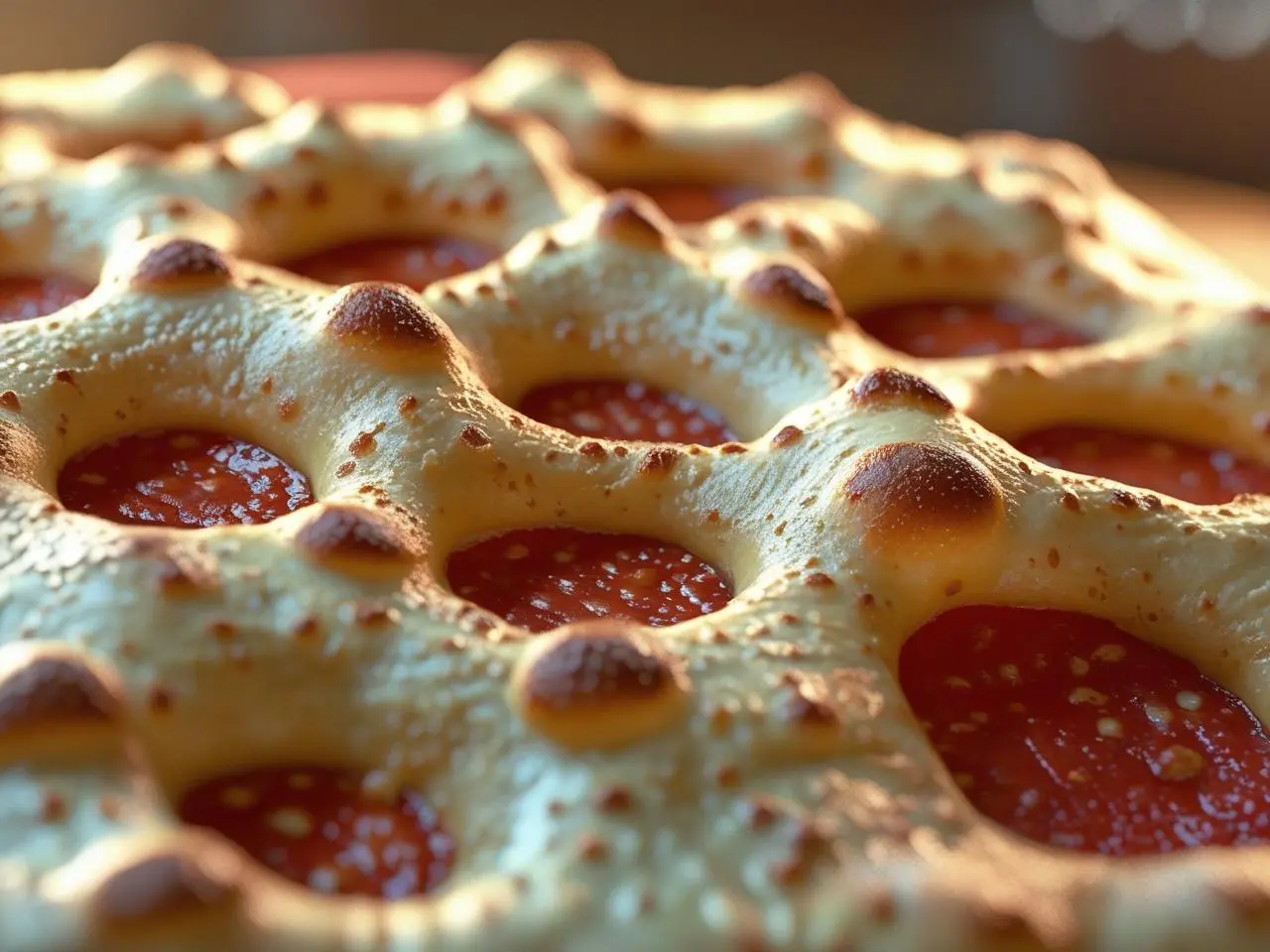
Neapolitan pizza dough is the heart of an authentic pizza experience, known for its light, airy texture and subtle, tangy flavor from a slow fermentation process. Unlike other pizza styles, Neapolitan dough uses “00” flour for a silky texture, minimal ingredients, and a high-hydration dough that puffs up beautifully in a hot oven. The result is a crust with a tender center, crisp edges, and those iconic charred bubbles (leopard spots) that define Neapolitan pizza.
This recipe is designed to be approachable yet true to tradition, requiring about 15 minutes of active prep time, plus a long, slow rise for maximum flavor. It yields two 12-inch pizzas, perfect for sharing or savoring over multiple meals. While traditionally baked in a wood-fired oven at 900°F, we’ll adapt it for a standard home oven with stellar results. Let’s explore the essential ingredients that make this dough a standout.
Ingredients for Authentic Neapolitan Dough
Neapolitan pizza dough relies on just four ingredients, but their quality is crucial. Here’s what you’ll need for two 12-inch pizzas:
- Flour: 3 ½ cups (400g) “00” flour (or all-purpose flour as a substitute, though “00” is preferred for its fine texture and elasticity).
- Yeast: ½ teaspoon active dry yeast (traditional Neapolitan recipes use less yeast for a slower rise).
- Water: 1 ⅓ cups (320ml) lukewarm water (about 80°F–85°F, cooler than other doughs to control fermentation).
- Salt: 2 teaspoons (10g) fine sea salt (avoid iodized salt for cleaner flavor).
Optional: A pinch of sugar can be added to aid fermentation, but it’s not traditional. Avoid olive oil in the dough, as it’s not part of authentic Neapolitan recipes—it can make the crust too dense. For toppings, keep it simple to honor tradition: tomato sauce (San Marzano if possible), fresh mozzarella (fior di latte or buffalo), fresh basil, and a drizzle of olive oil. Use high-quality, fresh ingredients to let the dough shine. With your ingredients ready, let’s dive into crafting the dough.
Crafting the Perfect Neapolitan Dough
Creating authentic Neapolitan pizza dough requires precision and patience, but the process is simple. Follow these steps for a dough that’s soft, elastic, and ready for the oven:
- Dissolve the Yeast: In a small bowl, combine lukewarm water and yeast. Stir gently and let sit for 5 minutes until slightly foamy. Neapolitan dough uses less yeast for a slower rise, so don’t expect a dramatic foam.
- Mix the Dough: In a large mixing bowl, combine flour and salt. Make a well in the center and gradually pour in the yeast-water mixture. Stir with a wooden spoon or your hands until a wet, shaggy dough forms. This high-hydration dough (about 70%) will feel stickier than standard pizza dough.
- Knead: Transfer the dough to a clean, unfloured surface (flour can toughen the dough). Knead for 8–10 minutes using a gentle stretch-and-fold technique, lifting the dough and folding it over itself. The dough will be sticky but will become smooth and elastic. Avoid adding too much flour—wet hands or a dough scraper can help manage stickiness.
- First Rise: Form the dough into a ball and place it in a lightly oiled bowl (use neutral oil, not olive). Cover with a damp cloth or plastic wrap and let rise at room temperature (68°F–75°F) for 8–12 hours, or until doubled in size. For best flavor, refrigerate after 2 hours and let it rise slowly for 24–48 hours.
- Shape the Dough: After rising, gently punch down the dough and divide into two equal portions (about 250g each). Shape each into a tight ball by folding the edges under. Cover and let rest for 30–60 minutes. Stretch each ball into a 12-inch circle with a thicker edge (cornicione) by pressing from the center outward, avoiding a rolling pin to preserve airiness.
For best results, preheat your oven to 500°F (260°C) or as high as it goes, with a pizza stone or steel inside for at least 1 hour. Dust the stone with flour or cornmeal to prevent sticking. Now, let’s assemble and bake your Neapolitan pizza.
Assembling and Baking Your Neapolitan Pizza
Neapolitan pizza is all about simplicity and balance, letting the dough and toppings shine. Here’s how to assemble and bake:
- Prepare the Sauce: Blend or crush 1 cup of San Marzano tomatoes (or high-quality canned tomatoes) with a pinch of salt. No cooking needed—Neapolitan sauce is raw for freshness. Spread ¼ cup thinly over each dough, leaving a 1-inch border.
- Add Toppings: Tear 4–5 oz of fresh mozzarella (fior di latte or buffalo) into small pieces and distribute evenly over each pizza. Add 4–6 fresh basil leaves. Drizzle with 1 teaspoon of extra-virgin olive oil. Avoid overloading to keep the crust light.
- Bake: Slide the pizza onto the preheated pizza stone or steel (use a pizza peel or parchment paper for easy transfer). Bake at 500°F for 10–12 minutes, until the crust is puffed, slightly charred, and the cheese is melted and bubbly. If your oven has a broiler, use it for the last 1–2 minutes to mimic wood-fired char.
- Finish and Serve: Let the pizza rest for 1–2 minutes to set. Slice and serve immediately for that authentic Neapolitan experience.
For a thinner, more traditional crust, stretch the dough to ⅛-inch in the center; for a slightly thicker crust, keep it at ¼-inch. If you don’t have a pizza stone, a heavy baking sheet works, though a stone or steel is ideal for crispness. The result is a pizza with a soft, airy crust, delicate char, and vibrant flavors that transport you to Naples.
This Neapolitan Pizza Dough Recipe is your gateway to authentic Italian pizza at home. With a simple yet precise process, you’ll create a crust that’s light, flavorful, and perfect for classic toppings. Share it with friends, savor it solo, or make it a weekend tradition—every bite is a taste of Italy. Buon appetito!