Authentic Spaghetti Carbonara: A True Italian Classic
Authentic Spaghetti Carbonara is a quintessential Roman dish that delivers rich, creamy, and smoky flavors with just a handful of ingredients. Unlike many modern variations, this traditional recipe skips cream, relying on eggs, Pecorino Romano, guanciale, and black pepper for its iconic silky sauce. Ready in under 30 minutes, it’s perfect for a quick weeknight dinner or an impressive date-night meal. Join CookTune as we explore the history, ingredients, step-by-step preparation, and tips to master this beloved Italian pasta dish. Let’s bring the taste of Rome to your kitchen!
The Origins and Essence of Spaghetti Carbonara
Spaghetti Carbonara hails from Rome, with origins often traced to the mid-20th century. One popular theory credits American soldiers post-World War II, who combined their bacon and egg rations with Italian pasta, inspiring this dish. Another suggests it was a hearty meal for charcoal workers (carbonari), hence the name. What sets authentic carbonara apart is its simplicity—no cream, no garlic, no onions—just eggs, cheese, cured pork, and pepper creating a velvety sauce that clings to al dente spaghetti.
This dish is a testament to Italian culinary philosophy: quality ingredients, minimal fuss, maximum flavor. The smoky guanciale, sharp Pecorino Romano, and bold black pepper create a perfect balance, making it a favorite worldwide. With this recipe, you’ll capture the authentic taste of Rome in every bite.
Ingredients and Tools for Authentic Spaghetti Carbonara
To make an authentic Spaghetti Carbonara for 4 servings, gather these high-quality ingredients and basic kitchen tools. Substitutions are possible but may deviate from tradition.
Ingredients
- Pasta: 12 oz spaghetti (preferably bronze-cut for better sauce adhesion)
- Guanciale: 5–6 oz (about ¾ cup diced), cured pork cheek (pancetta as a substitute, but avoid bacon for authenticity)
- Eggs: 2 large eggs plus 2 egg yolks (room temperature)
- Cheese: ¾ cup freshly grated Pecorino Romano (avoid Parmesan for true Roman flavor)
- Black Pepper: 1–1.5 tsp, freshly ground (to taste)
- Salt: For pasta water (no additional salt in sauce, as guanciale and Pecorino are salty)
- Pasta Water: Reserved from cooking (about 1 cup)
Tools
- Large pot (for boiling pasta)
- Large skillet (for guanciale and sauce)
- Medium mixing bowl (for egg-cheese mixture)
- Tongs or pasta fork (for tossing)
- Microplane or fine cheese grater
- Measuring cups and spoons
Guanciale and Pecorino Romano are non-negotiables for authenticity, but pancetta and Parmesan can work if needed. Freshly ground black pepper is key for the dish’s signature warmth.
Step-by-Step Recipe for Authentic Spaghetti Carbonara
Follow these steps to create a restaurant-quality, authentic Spaghetti Carbonara. Precision with heat and timing ensures a creamy sauce without scrambling the eggs.
Step 1: Cook the Pasta
Bring a large pot of water (4 quarts) to a boil with 1 tbsp salt. Add the spaghetti and cook until al dente, about 7–9 minutes (check package for exact timing). Reserve 1 cup of pasta water, then drain the pasta. Do not rinse, as the starch helps the sauce cling.
Step 2: Prepare the Egg-Cheese Mixture
In a medium bowl, whisk together the eggs, egg yolks, grated Pecorino Romano, and 1 tsp black pepper until smooth and fully combined. Set aside at room temperature to ensure a silky sauce when mixed with the hot pasta.
Step 3: Cook the Guanciale
Cut the guanciale into ¼-inch cubes or strips, removing the rind if present. Heat a large skillet over medium heat (no oil needed, as guanciale releases its own fat). Add the guanciale and cook for 5–7 minutes, stirring occasionally, until crispy and golden. The fat should render out, leaving about 2 tbsp in the pan. Remove the skillet from heat to cool slightly, reserving all fat and guanciale in the pan.
Step 4: Combine Pasta and Guanciale
Return the skillet to low heat. Add the drained spaghetti directly to the skillet with the guanciale and its fat. Toss for 1 minute to coat the pasta evenly. Remove the skillet from heat to cool for 30–60 seconds, ensuring it’s not too hot to scramble the eggs in the next step.
Step 5: Create the Creamy Sauce
With the skillet off the heat, slowly pour the egg-cheese mixture over the pasta, tossing continuously with tongs to create a creamy sauce. Add reserved pasta water, 1 tbsp at a time (typically ¼–½ cup total), until the sauce is smooth and velvety, not runny. The residual heat from the pasta and skillet should thicken the sauce without cooking the eggs.
Step 6: Serve Immediately
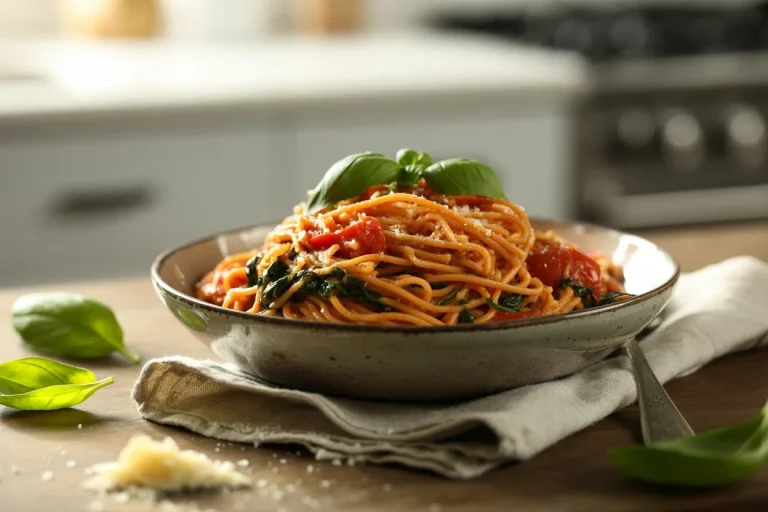
Divide the carbonara among plates or serve family-style in a warmed bowl. Sprinkle with extra Pecorino Romano and a generous grind of black pepper. Serve hot, ideally with a glass of crisp white wine like Pinot Grigio or a side of crusty bread.
Tips and Variations for Perfect Spaghetti Carbonara
Authentic Spaghetti Carbonara is simple but requires attention to detail. Here are tips and variations to ensure success while respecting tradition:
- No Cream or Add-Ins: Traditional carbonara skips cream, garlic, onions, or herbs. The sauce’s richness comes from eggs and cheese, so resist adding extras for authenticity.
- Guanciale vs. Pancetta: Guanciale’s unique fat content and flavor are ideal, but pancetta is an acceptable substitute. Avoid bacon, as its smokiness alters the dish’s character.
- Pasta Choices: Spaghetti is traditional, but bucatini (hollow spaghetti) or rigatoni can work. Use high-quality, bronze-cut pasta for better texture.
- Cheese Matters: Pecorino Romano’s sharp, salty flavor is authentic. Parmesan is milder and less traditional but can be used if Pecorino is unavailable.
- Heat Control: Never add the egg mixture over direct heat, as it risks scrambling. The pasta’s residual heat is sufficient.
- Pepper Power: Freshly ground black pepper adds warmth and depth. Adjust to taste, but don’t skimp—it’s a defining flavor.
- Serving Fresh: Carbonara is best enjoyed immediately. If reheating leftovers (stored in the fridge for 1–2 days), use a skillet with a splash of water over low heat.
- Gluten-Free Option: Use gluten-free spaghetti, ensuring guanciale is gluten-free certified.
For the creamiest sauce, grate cheese finely and use room-temperature eggs. If the sauce is too thick, add more pasta water sparingly; if too thin, toss longer to emulsify. Taste before serving and adjust pepper or cheese as needed.
Authentic Spaghetti Carbonara is a celebration of Roman simplicity, transforming minimal ingredients into a luxurious dish. With CookTune’s recipe, you can recreate this Italian classic with confidence, whether for a cozy dinner or a special occasion. Try it tonight and savor the creamy, peppery, porky goodness that makes carbonara a global favorite. Share your masterpiece with us and enjoy the taste of Italy at home!