Sizzling Pepper Steak: A Flavorful Journey to Culinary Bliss
Pepper steak is a timeless dish that combines tender beef, vibrant bell peppers, and a savory sauce to create a meal that’s both comforting and exciting. This classic stir-fry, rooted in Chinese-American cuisine, has won hearts worldwide with its bold flavors and satisfying textures. Whether you’re a seasoned home cook or a beginner looking to impress, this 1000-word guide will walk you through everything you need to know to master pepper steak. From selecting the best ingredients to perfecting your stir-fry technique, we’ll cover it all under four key sections to ensure your dish is a showstopper.
Choosing the Right Ingredients for Pepper Steak
The foundation of an unforgettable pepper steak lies in the quality of its ingredients. Start with the star of the show: the beef. Flank steak is a popular choice due to its lean texture and ability to absorb flavors. Alternatively, sirloin or skirt steak works well for a juicier bite. Look for cuts with a bright red color and minimal fat for the best results. Slice the beef thinly against the grain to ensure tenderness, as this breaks down the muscle fibers and makes each bite melt in your mouth.
Next, let’s talk about bell peppers. Green bell peppers are traditional for their slightly bitter, earthy flavor, but adding red, yellow, or orange peppers brings sweetness and a pop of color. Choose peppers that are firm, glossy, and free of wrinkles to ensure freshness. The contrast between the peppers’ crunch and the beef’s tenderness is what makes pepper steak so delightful, so don’t skimp on quality.
The sauce is where the magic happens. A classic pepper steak sauce combines soy sauce, oyster sauce, and a touch of sesame oil for umami depth. Freshly ground black pepper is non-negotiable—it’s in the name, after all! Use coarse ground pepper for a bold kick, and don’t be afraid to be generous. Fresh garlic and ginger add aromatic warmth, while a splash of rice vinegar or Shaoxing wine brightens the dish. For a thicker sauce, a cornstarch slurry works wonders, giving your pepper steak that glossy, restaurant-style finish.
Finally, don’t overlook the supporting players: onions, scallions, and even mushrooms can elevate the dish. Opt for yellow onions for a subtle sweetness when caramelized, and use scallions for a fresh, green garnish. If you’re feeling adventurous, a handful of shiitake or cremini mushrooms adds an earthy depth that complements the beef beautifully.
Mastering the Stir-Fry Technique
Stir-frying is an art, and pepper steak is the perfect canvas to hone your skills. The key to a great stir-fry is high heat and quick cooking, which preserves the ingredients’ textures and flavors. Start by prepping all your ingredients in advance—once the wok is hot, things move fast. Slice your beef and vegetables uniformly to ensure even cooking, and have your sauce ingredients mixed and ready to go.
Use a wok if you have one; its high sides and wide surface area are ideal for stir-frying. If not, a large, heavy-bottomed skillet will do. Heat your pan over medium-high heat until it’s smoking hot, then add a high-smoke-point oil like peanut or vegetable oil. Swirl the oil to coat the pan, and add the beef in a single layer. Resist the urge to stir immediately—let the beef sear for 1-2 minutes to develop a caramelized crust. This Maillard reaction is what gives pepper steak its rich, savory flavor.
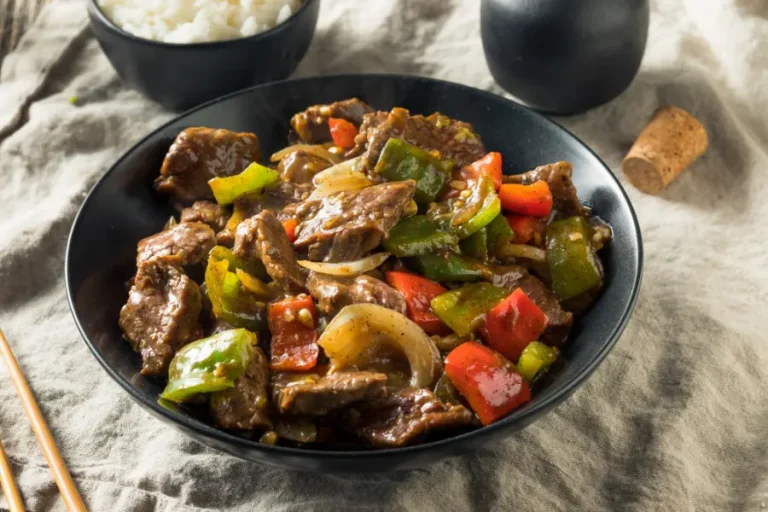
Once the beef is seared, remove it from the pan and set it aside. Add a bit more oil, then toss in your aromatics—garlic, ginger, and onions. Stir-fry for 30 seconds until fragrant, then add the bell peppers. Cook them just until they’re tender-crisp, about 2-3 minutes. Overcooking the peppers will make them mushy, so keep an eye on them. Return the beef to the pan, pour in the sauce, and toss everything together until the sauce thickens and coats the ingredients, about 1 minute. The result? A vibrant, glossy dish that’s bursting with flavor.
Timing is critical in stir-frying, so don’t overcrowd the pan. Cooking in batches ensures everything sears properly rather than steaming. If you’re doubling the recipe, cook the beef and vegetables separately to maintain that perfect texture.
Customizing Your Pepper Steak
One of the joys of pepper steak is its versatility. While the classic version is a crowd-pleaser, you can tweak it to suit your tastes or dietary needs. For a spicy kick, add sliced jalapeños or a spoonful of chili garlic sauce to the mix. If you prefer a sweeter profile, a tablespoon of hoisin sauce or a drizzle of honey can balance the savory notes. For a gluten-free version, swap soy sauce for tamari or coconut aminos, and ensure your oyster sauce is gluten-free.
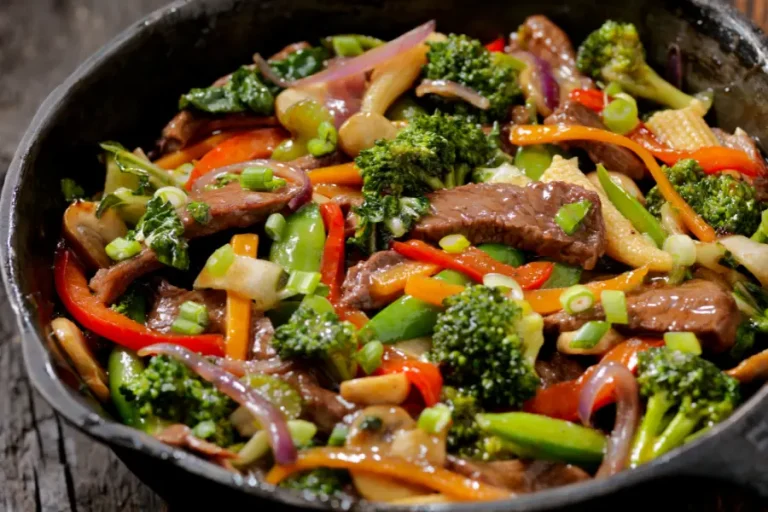
Vegetarians can enjoy pepper steak, too! Replace the beef with firm tofu, seitan, or portobello mushrooms for a hearty alternative. Press the tofu to remove excess water, then marinate it in the same sauce you’d use for the beef. The key is to sear the tofu until golden to mimic the texture of meat. You can also bulk up the dish with additional vegetables like broccoli, snap peas, or zucchini for extra color and crunch.
For a low-carb twist, serve your pepper steak over cauliflower rice or zucchini noodles instead of traditional white rice. If you’re a carb lover, jasmine rice, brown rice, or even noodles like lo mein or udon pair beautifully with the dish. Garnish with sesame seeds, chopped peanuts, or fresh cilantro for an extra layer of flavor and texture.
Experimenting with regional variations can also be fun. In some Asian-inspired versions, you might add a splash of black bean sauce or fermented black beans for a funky, umami-rich twist. For a fusion take, try incorporating Mexican flavors like cumin or chipotle for a smoky, spicy pepper steak that’s sure to surprise and delight.
Serving and Storing Your Pepper Steak
Presentation matters, and pepper steak is a dish that looks as good as it tastes. Serve it hot from the wok, piled high on a platter or in shallow bowls to showcase its vibrant colors. If you’re serving with rice, fluff the rice with a fork before plating to give it a light, airy texture. For a family-style meal, place the pepper steak in the center of the table with sides like steamed bok choy, egg drop soup, or crispy spring rolls.
Leftovers are a gift with pepper steak, as the flavors deepen overnight. Store any extras in an airtight container in the fridge for up to 3 days. To reheat, toss the dish in a hot skillet with a splash of water or broth to revive the sauce’s consistency. Avoid microwaving, as it can make the beef tough and the peppers soggy.
If you want to prep ahead, you can slice the beef and vegetables a day in advance and store them separately in the fridge. The sauce can also be mixed ahead of time and refrigerated for up to a week. When you’re ready to cook, everything comes together in under 15 minutes, making pepper steak a fantastic weeknight dinner option.
For freezing, portion the cooked pepper steak into freezer-safe containers and store for up to 2 months. Thaw in the fridge overnight before reheating. Note that the peppers may lose some crunch after freezing, but the flavors will remain delicious.
Pepper steak is more than just a meal—it’s a celebration of bold flavors, vibrant colors, and the joy of cooking. With the right ingredients, a hot wok, and a little creativity, you can create a dish that’s sure to impress family and friends. Whether you stick to the classic recipe or put your own spin on it, pepper steak is a dish that delivers every time. So, grab your ingredients, fire up the stove, and let’s get cooking!