Healthy Sautéed Vegetables
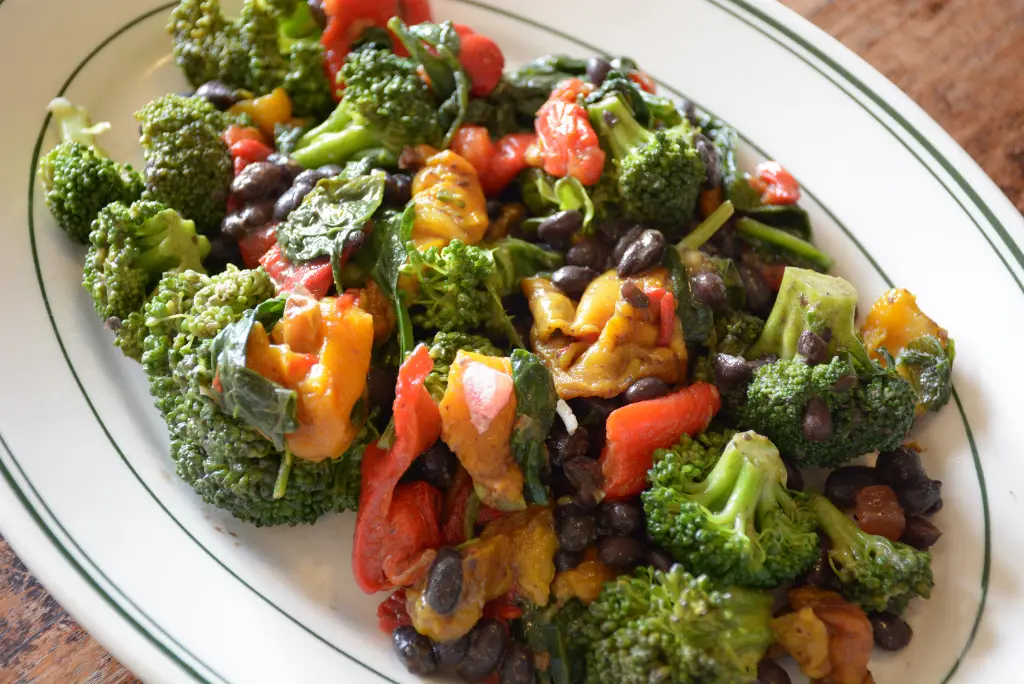
Healthy sautéed vegetables are a quick, nutritious way to enjoy a variety of fresh produce. This method keeps flavors vibrant and nutrients intact, using simple ingredients for a meal or side dish. Below, you’ll find clear steps, tips, and reasons why this works for any kitchen.
Why You’ll Love Healthy Sautéed Vegetables
Healthy sautéed vegetables fit perfectly into busy lifestyles. They’re ready in about 20 minutes, making them ideal for quick meals. The mix of colorful veggies provides vitamins, minerals, and fiber, supporting overall health without feeling heavy.
You can customize this easily—use whatever vegetables you have, like zucchini, peppers, or carrots. It’s versatile for vegan, low-carb, or gluten-free diets. Plus, it’s budget-friendly, with a serving costing roughly $1-2 based on common grocery prices. The bright flavors and simplicity make it a go-to option.
What You Need for Healthy Sautéed Vegetables
For four servings, gather these ingredients:
- 1 medium zucchini, sliced into half-moons.
- 1 red bell pepper, cut into strips.
- 1 cup broccoli florets, small pieces.
- 1 medium carrot, thinly sliced.
- 2 cloves garlic, minced.
- 2 tablespoons olive oil.
- Salt and pepper to taste.
- Optional: 1 teaspoon soy sauce or a pinch of red chili flakes for extra flavor.
Choose fresh vegetables for the best texture, but frozen can work if needed. This mix balances color, crunch, and taste.
How to Make Healthy Sautéed Vegetables
Follow these steps for a quick, flavorful result. Total time is about 20 minutes.
- Wash and chop all vegetables into similar-sized pieces for even cooking.
- Heat olive oil in a large skillet over medium heat. Add minced garlic and stir for 30 seconds until fragrant.
- Add carrots first, as they take longer. Cook for 3-4 minutes, stirring occasionally.
- Toss in broccoli, zucchini, and bell pepper. Sauté for 5-7 minutes, stirring often, until vegetables are tender but still crisp.
- Season with salt, pepper, and optional soy sauce or chili flakes. Stir for 1 minute to blend flavors.
- Serve immediately as a side or over rice or quinoa for a full meal.
This method preserves the vegetables’ natural crunch and nutrients.
Tips and Tricks for Perfect Sautéed Vegetables
These practical ideas ensure great results:
- Cut vegetables evenly to cook at the same rate. Aim for bite-sized pieces.
- Use a large skillet to avoid crowding, which can make vegetables soggy.
- Add a splash of water or broth if the pan gets too dry, keeping the dish light.
- Try different veggies like mushrooms or green beans to keep it fresh.
- Store leftovers in an airtight container for up to 3 days. Reheat gently to maintain texture.
These tips come from testing to ensure consistent, tasty outcomes.
Common Mistakes to Avoid with Sautéed Vegetables
Steer clear of these issues:
- Overcooking leads to mushy vegetables. Check at 5 minutes to keep them crisp.
- Over
- Overcrowding the pan traps steam, making veggies soft. Use a wide skillet.
- Skipping seasoning. Taste and adjust with salt or spices before serving.
- Using low-quality oil. Olive oil adds flavor, but avoid overheating to prevent burning.
These steps help you achieve a vibrant, flavorful dish every time.
Nutrition Benefits of Healthy Sautéed Vegetables
One 150-gram serving provides:
- Calories: 120
- Protein: 3 grams
- Carbs: 10 grams
- Fiber: 4 grams
- Fat: 7 grams
The mix of vegetables offers antioxidants, vitamin A, and fiber, supporting digestion and immunity.
Final Thoughts on Healthy Sautéed Vegetables
Healthy sautéed vegetables are a simple, affordable way to add more nutrition to your meals. They’re quick to make, endlessly customizable, and packed with flavor. Whether you’re pairing them with protein or enjoying them alone, this dish is a keeper for any home cook.